I recently submitted my fourth novel to my agent Veronique Baxter at David Higham Associates. The novel was drafted over a period of seven weeks, during two intense ‘writing weeks’, and grabbed between patient visits in the community, where I work as a carer for the NHS.
I hadn’t expected to write a fourth novel. Between 2016 and 2022, I published three well-received novels which were shortlisted and long listed for major prizes, including Costa First Novel Award and the Walter Scott Prize for Historical Fiction. At the same time, I was desperately trying to earn a living, picking up bits of teaching at Anglia Ruskin University and Birkbeck University in London: casualised teaching contracts, paid by the hour, classroom time only.
It was stressful. It wasn’t sustainable. No living in writing. No living in teaching either. Nor, even, in their combination. Around this time, the Society of Authors reported that the average annual income for professional authors was less than £7000. I didn’t need to have this confirmed, I was the living proof of it. Life felt increasingly precarious and I needed to make changes.
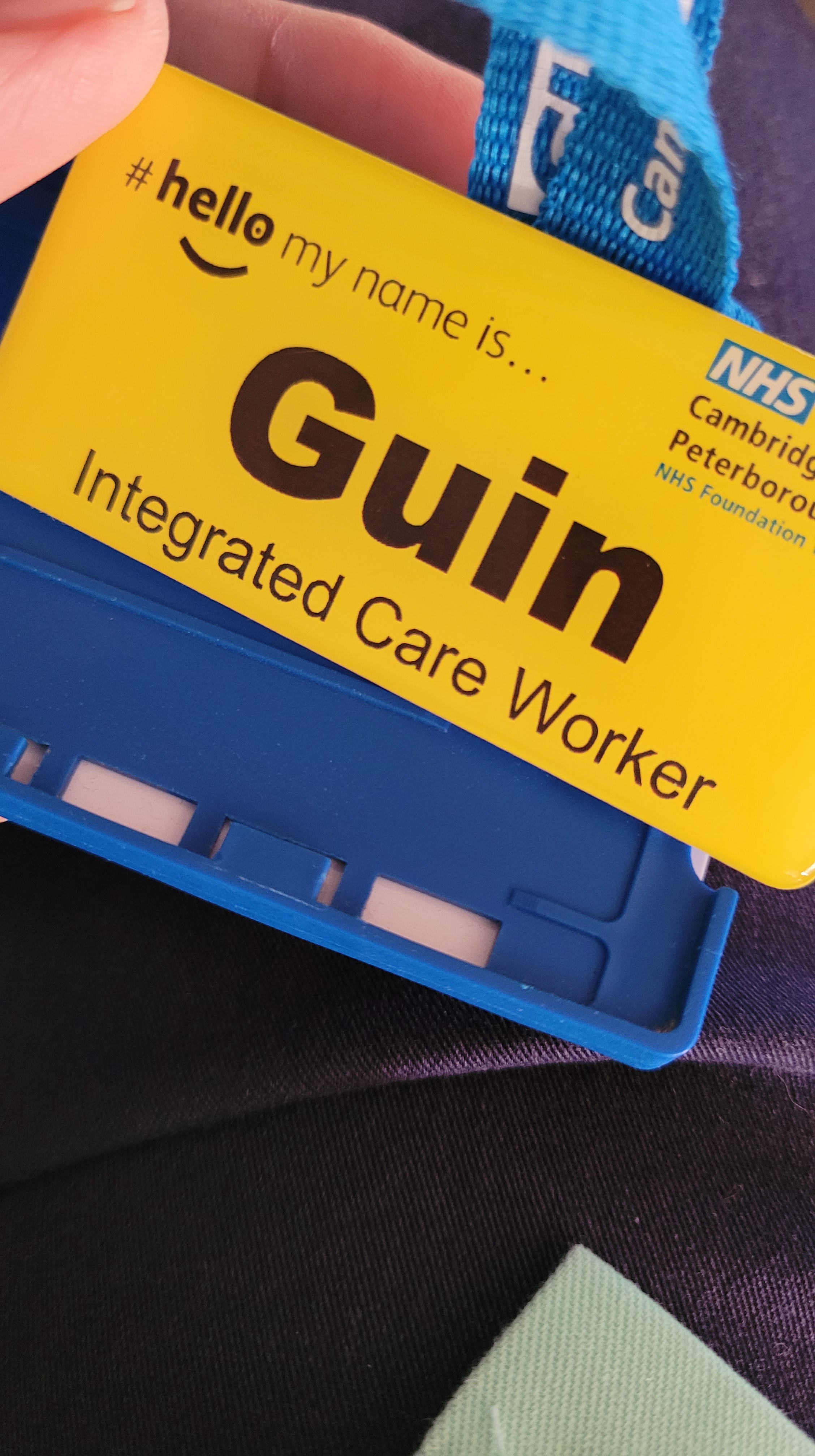
I retrained as a carer for the NHS, working thirteen-hour shifts on a busy rehabilitation ward in Cambridge, before moving into the community, supporting patient rehabilitation in the Ely and Fenland area. I put my writing to one side. Care work is demanding and humbling and, at times, brutal. I learnt a lot about myself and found real purpose in the work.
During this time, my writing ‘life’ came to an abrupt halt. I stopped following who and what was being published or being listed for prizes. I dropped off most social media apart from TikTok. I went back to playing the guitar as a form of creative outlet and found an incredibly welcoming and encouraging community, which felt quite different to the book world.
Then, sitting in my car one night, on a late shift between patients, I wrote a poem. It didn’t matter whether it was any good. I had done my best to banish that part of me and yet the words came to me even so.
In November 2024, I decided to go back to an idea for a novel I’d first had 18 months before and put to one side: the story of an elderly man during the last months of his life, and his search for a sister he lost contact with decades before. I took this central idea and wove in a new strand: the story of his carer, who also lost a sister when he was a child. The novel arrived all at once; at times, I struggled to keep up writing it. The novel comes absolutely from the heart and from the insight gained working at the coal face of the NHS.
I’ve always thought that writing a book is a way to plant a flag in the future: it is a profoundly hopeful act. In May 2025, the book will start its journey out on submission — and I feel hopeful about that.
I am a care worker and a writer too. Both aspects of my life made the book possible.
If you are interested or want to know more, please contact Veronique Baxter at DHA.
 Guinevere Glasfurd